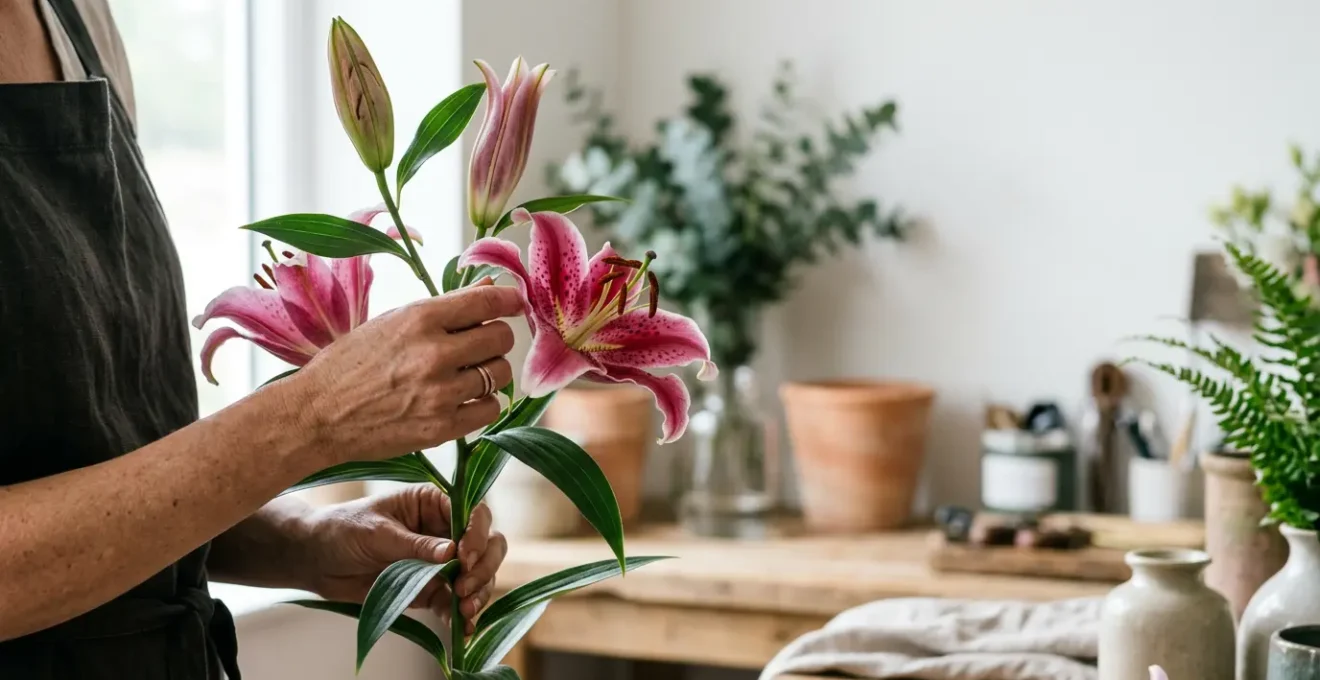
Professional lily design is less about the flower and more about mastering its powerful biology—scent, pollen, and toxicity—to curate specific client experiences.
- Scent is manageable: Unscented Asiatic hybrids are ideal for dining, while fragrant Orientals excel in “impact zones” like entryways.
- Safety is non-negotiable: All parts of the lily are lethally toxic to cats, making client screening a professional duty of care.
Recommendation: Reframe your service from “selling lilies” to “designing sensory experiences,” using this guide to select the right lily and apply the right techniques for every specific situation.
For many clients, the phrase “anything but lilies” is a common refrain. For a professional florist, it’s a signal. The powerful, polarizing nature of the lily—its pervasive scent, its notorious pollen, and its hidden dangers—can make it seem like a liability. The standard advice is often reactive: cut out the pollen to prevent stains, or just avoid the flower altogether for sensitive clients. This approach, however, misses the point entirely and abdicates your role as a design expert.
But what if these perceived flaws are not problems to be avoided, but potent tools to be mastered? The key to unlocking the lily’s full potential lies in shifting your perspective from that of a simple florist to a scent consultant. It requires a deeper understanding of the flower’s biology and a strategic framework for its deployment. This is not about damage control; it’s about precision sensory design. Mastering the lily is a hallmark of a true professional who can confidently navigate its complexities to create tailored, safe, and unforgettable experiences for every client, every time.
This guide provides that strategic framework. We will move beyond basic care tips to explore the science of lily scent, the mechanics of pollen management, the non-negotiable safety protocols, and the design principles that turn this challenging flower into one of your most valuable assets. You will learn not just what to do, but precisely why and how, empowering you to answer any client request with confidence and expertise.
Summary: A Scent Consultant’s Guide to Mastering Lilies
- Stamen Surgery: When and How to Remove Pollen Anthers Without Staining?
- Asiatic vs Oriental: Which Lilies Have No Smell for Sensitive Noses?
- Cat Toxicity: Why You Must Never Send Lilies to a Cat Owner?
- Opening Buds: How to Force Green Lily Buds to Open Fast?
- The Line Flower: How to Use Lilies to Add Height to a Pedestal?
- Food and Flowers: Why Heavily Scented Flowers Ruin the Meal?
- Phenol and Formaldehyde: The Hidden Risks of Dry Foam Dust
- How to Protect Delicate Vascular Systems of Spring Flowers?
Stamen Surgery: When and How to Remove Pollen Anthers Without Staining?
The infamous orange dust of lily pollen is the nemesis of crisp white linens, expensive wedding dresses, and pristine surfaces. The reactive approach is to try cleaning the stain after it happens—a notoriously difficult task. The professional approach is pre-emptive surgery: removing the anthers before the pollen becomes a threat. This simple act is not just about cleanliness; it’s a crucial step in quality control. By removing the anthers, you are effectively halting the flower’s pollination cycle, which can significantly extend the bloom’s vase life and maintain its pristine appearance.
Timing and technique are everything. Waiting until the flower is fully open and the pollen is loose means you’ve already lost the battle. The anthers must be removed as the bud is just beginning to crack open. At this stage, the pollen is still a waxy, contained solid and can be plucked away cleanly. Using the right tools, like fine-tipped tweezers, allows for a precise removal that protects the delicate stigma and surrounding petals from damage. This isn’t just a maintenance chore; it’s a demonstration of professional foresight.
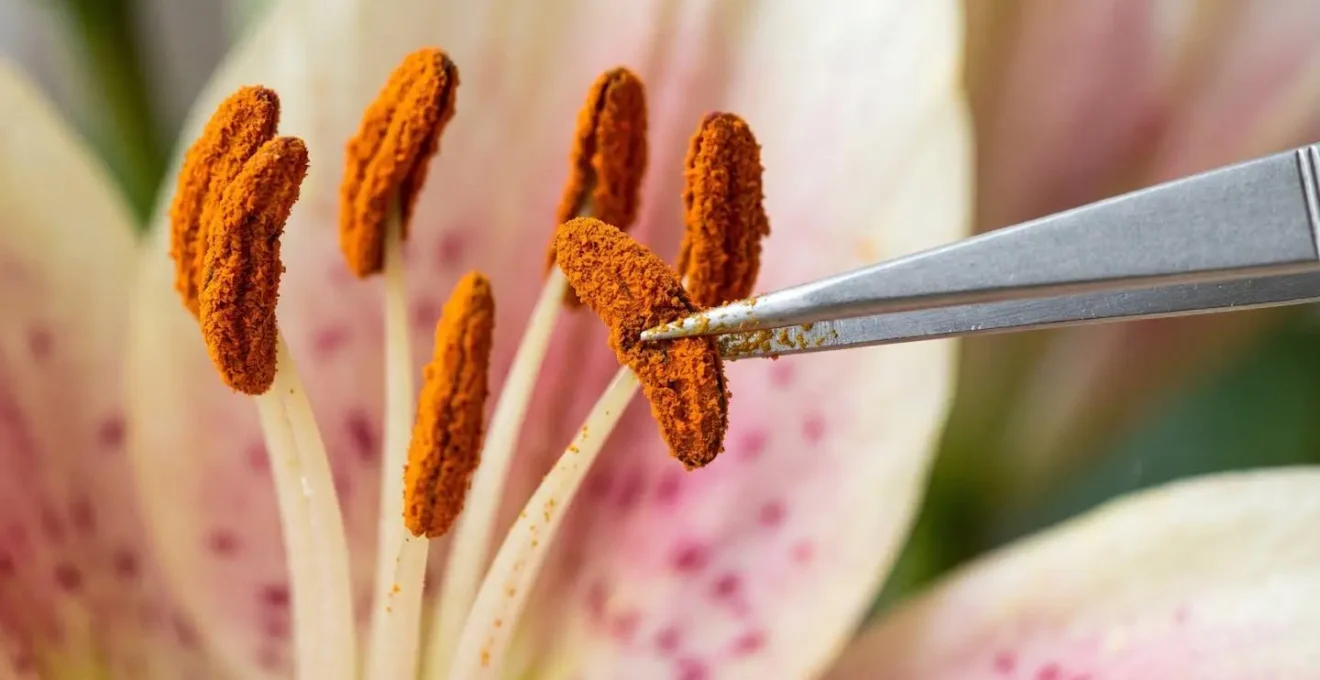
This macro view highlights the precision required. The goal is to grasp the bean-like anther firmly and pull it from the filament stalk without smearing any pollen. Having a waste container directly beneath the bloom ensures that any dislodged anthers or particles are immediately contained, preventing cross-contamination to other flowers or your workspace. This clean, swift procedure is a core skill for anyone working professionally with lilies.
Action Plan: Professional Anther Removal Workflow to Prevent Stains
- Timing is Critical: Remove anthers when blooms are in the ‘cracked bud’ stage or just beginning to open, before pollen disperses.
- Protect the Stigma: Carefully wrap fingers around the anthers while protecting the sticky stigma below, then gently tease away the anthers without contact.
- Use Professional Tools: Employ fine-tipped tweezers or hemostats to grasp the rubbery anther and pluck it cleanly from the filament stalk.
- Immediate Disposal: Have a waste container ready beneath the flower to catch anthers and prevent airborne pollen contamination.
- Clean Hands Immediately: Wash hands right after removal to avoid transferring pollen to fabrics or other surfaces.
Asiatic vs Oriental: Which Lilies Have No Smell for Sensitive Noses?
Telling a client “I have lilies” is as unhelpful as a chef saying “I have meat.” The term ‘lily’ encompasses a vast and diverse family of hybrids, each with a distinct personality, especially concerning scent. As a scent consultant, your primary job is to know the difference and prescribe the right flower for the right environment. The most critical distinction for managing client expectations and designing sensory experiences is between Asiatic and Oriental hybrids. This knowledge transforms a potential complaint into a demonstration of your expertise.
Oriental lilies are the source of the classic, room-filling fragrance that people either love or loathe. Their high volatile emission makes them powerhouses of scent, perfect for creating an impact in a large lobby but disastrous on a dining table. In contrast, Asiatic hybrids are, for all practical purposes, unscented. They offer all the visual drama of a lily—bold colors, graphic shapes, impressive scale—without any of the olfactory impact. This makes them the default, non-negotiable choice for centerpieces, small offices, or arrangements for clients with allergies or fragrance sensitivities. Understanding this spectrum is fundamental to professional floristry.
This table breaks down the scent spectrum across major lily hybrid groups, providing a clear framework for making strategic design choices. As a study in the Journal of the American Society for Horticultural Science details, the emission of these volatile compounds is a genetic trait that has been specifically selected for (or against) in different hybrid groups.
| Lily Hybrid Type | Scent Intensity (0-5 Scale) | Key Characteristics | Best Use Case |
|---|---|---|---|
| Asiatic Hybrids | 0 (No scent) | Hardly emit volatiles; ideal for fragrance-free environments | Dining centerpieces, allergy-sensitive clients, enclosed spaces |
| LA Hybrids (Longiflorum × Asiatic) | 1-2 (Light scent) | Low levels of volatiles; subtle, pleasing fragrance | Versatile for most settings; safe alternative to Asiatics with slight scent |
| Longiflorum (Easter Lilies) | 2-3 (Moderate scent) | Distinct but not overpowering; traditional Easter lily fragrance | Seasonal arrangements, religious ceremonies |
| OT Hybrids (Orienpets) | 3-4 (Strong scent) | Combine Oriental fragrance with Trumpet size; cultivar-dependent intensity | Large venues, entrance halls, outdoor events |
| Oriental Hybrids | 4-5 (Intense scent) | Heavily scented; can perfume entire room; volatile emission peaks at full bloom | Impact zones (entryways, bars, powder rooms); avoid dining tables |
Cat Toxicity: Why You Must Never Send Lilies to a Cat Owner?
While managing scent and pollen is a matter of client preference and professionalism, the issue of lily toxicity with cats is a matter of life and death. There is no room for error or ambiguity here. As a professional florist, you have a duty of care to ensure your creations do not bring harm into a client’s home. This means you must operate under one strict, non-negotiable rule: never send a true lily (any member of the *Lilium* or *Hemerocallis* genera) to a home with cats.
The danger cannot be overstated. All parts of the lily plant are severely toxic to felines—the petals, leaves, stem, and even the pollen and the water in the vase. Ingestion of a minuscule amount can lead to irreversible acute kidney injury (AKI) and death. A recent study highlights the extreme danger; an analysis in the Journal of the American Veterinary Medical Association found that of cats with known lily exposure, 46.9% of inpatient cats and 43.8% of outpatient cats developed AKI. This is not a mild allergic reaction; it is a medical emergency with a grim prognosis.
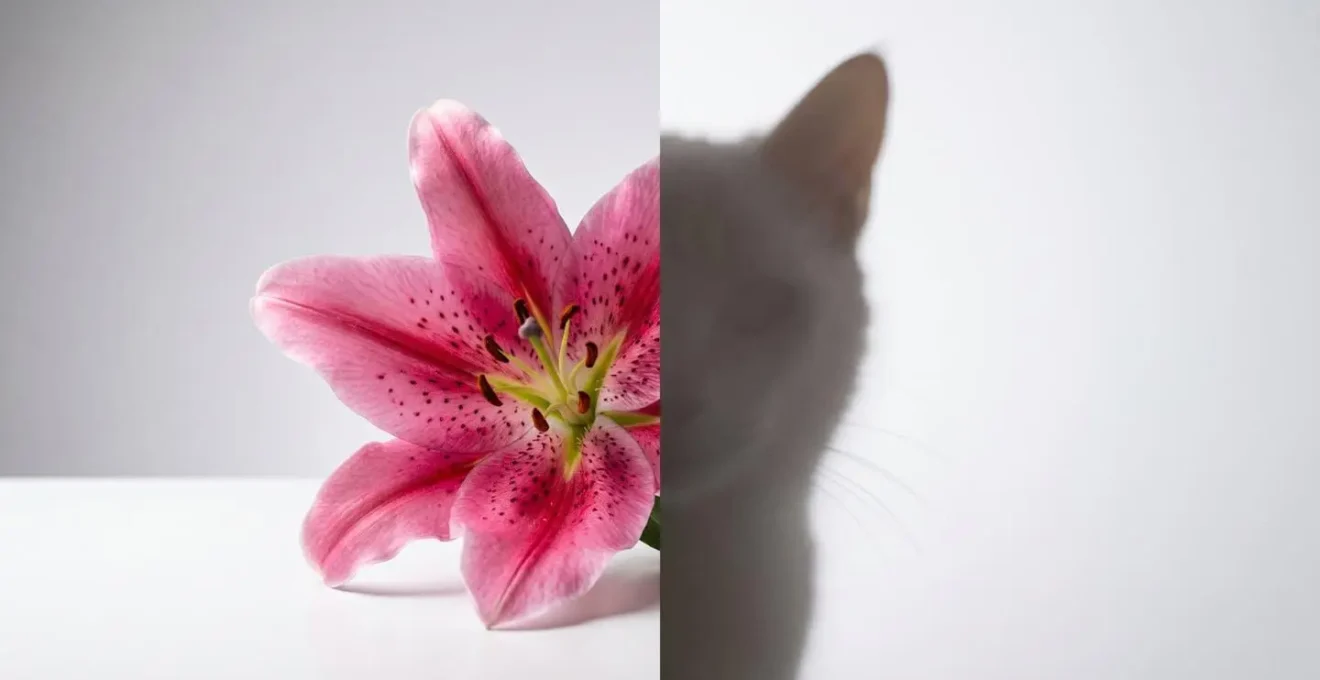
This is why your client intake process must include a simple, direct question: “Do you or the recipient have any cats?” If the answer is yes, lilies are off the table. As an expert, it is your responsibility to educate your client and guide them toward beautiful, safe alternatives like roses, orchids, or sunflowers. Dr. Erica L. Reineke, a leading voice on the subject, underscores the gravity of the situation:
It’s crucial for cat owners to understand that all parts of the lily plant are toxic to cats. Prompt veterinary attention is essential, regardless of the treatment approach.
– Dr. Erica L. Reineke, VMD, DACVECC, American Veterinary Medical Association Press Release
Opening Buds: How to Force Green Lily Buds to Open Fast?
One of the great advantages of lilies is their long vase life, which begins with receiving them in a tight, green bud stage. However, this also presents a common professional challenge: ensuring those buds are perfectly open for a specific event date. An arrangement of green, closed buds is not what a client expects for their wedding or gala. This requires a proactive process known as “forcing,” where you manipulate the flower’s environment to control its opening speed. This is a game of days, not hours, as professional florists note in event planning guides that a lily stem can take anywhere from 5 to 10 days to open all its buds naturally.
The key variables you can control are temperature, light, and hydration. Warmth is the primary accelerator. Moving lilies from a cool storage environment to a room-temperature space with bright, indirect light will signal the buds to begin opening. Lukewarm water, combined with professional floral food, also encourages faster water uptake and provides the energy the plant needs to bloom. Conversely, if the buds are opening too quickly, returning them to a cooler, darker location will dramatically slow the process. This requires daily monitoring and adjustment to hit the perfect bloom stage right on schedule.
A reverse timeline is the best tool for managing this process, ensuring you allow enough runway before the event day. Starting five days out gives you ample time to assess, react, and adjust the flower’s progress without panic. This methodical approach is the difference between hoping for the best and guaranteeing a perfect result.
Action Plan: Verifying Your Lily Forcing Process
- Needs Assessment: Confirm the target bloom stage (e.g., 70% open) and the exact event time with the client.
- Inventory Check: Verify you have received the lilies at least 5 days prior to the event, in a tight, colored-bud stage.
- Environment Control: Check that your forcing area has adjustable temperature (60-75°F) and access to bright, indirect light.
- Supply Audit: Ensure you have sharp, sanitized cutters and a fresh supply of professional floral food and hydrating solution.
- Daily Monitoring: Assign a team member to check bloom progress every 12-24 hours and document changes to adjust the environment as needed.
The Line Flower: How to Use Lilies to Add Height to a Pedestal?
In the language of floral design, flowers are often categorized by their function. Lilies, with their tall, strong stems and succession of blooms, are a quintessential “line flower.” Their primary role in this context is to create height, establish the shape of an arrangement, and guide the viewer’s eye. This makes them exceptionally well-suited for large-scale designs, particularly pedestal arrangements that need to command a space and be viewed from a distance.
The key to using lilies effectively as a line flower is to embrace their natural verticality. The arrangement should celebrate the long, elegant curve of the stems. A common mistake is to cut the stems too short, compacting the blooms into a dense mass. Instead, allow them their full height, creating a dynamic, rhythmic composition. By placing fully open blooms at the bottom, semi-open ones in the middle, and tight buds at the very top, you create a sense of natural growth and movement. This technique not only looks more organic but also extends the visual life of the arrangement, as the buds will continue to open over several days.

As this example shows, a successful pedestal arrangement uses negative space to its advantage. The height of the lilies creates a dramatic silhouette against the background. The varying heights and directions of the individual blooms add complexity and interest, drawing the eye upward. The structural integrity of the lily stem is critical here, allowing you to create impressive scale without requiring an overly complex support structure. When you need to make a statement in a large venue like a church, ballroom, or hotel lobby, the lily is one of the most powerful and efficient tools in your arsenal.
Food and Flowers: Why Heavily Scented Flowers Ruin the Meal?
The intersection of scent and taste, a field known as neurogastronomy, explains why placing a heavily scented flower on a dining table is a critical design error. Our sense of smell is responsible for the vast majority of what we perceive as flavor. When a powerful, sweet floral fragrance—like that of an Oriental lily—saturates the air, it competes directly with the delicate aromas of food and wine. It can muddy the palate, clash with savory notes, and ultimately ruin a carefully crafted culinary experience. A guest trying to appreciate the subtle notes of a pinot noir or the aroma of a truffle risotto simply can’t if their olfactory senses are being overwhelmed by floral aldehydes.
This is where your role as a scent consultant becomes paramount. The client may request a “dramatic, fragrant” event, but it’s your job to translate that desire into a successful sensory experience. This doesn’t mean eliminating fragrant lilies; it means deploying them strategically. The professional solution is a technique called “scent zoning.” This involves mapping the event space and assigning different scent profiles to different areas based on their function.
By reserving unscented or lightly scented flowers (like Asiatic or LA Hybrid lilies) for dining tables and guest seating, you create a neutral sensory zone where the cuisine can shine. The powerful, fragrant Oriental lilies are then deployed in “impact zones”—areas guests move through but don’t linger in—to create the desired atmosphere without interfering with the meal.
Case Study: Scent Zoning Strategy for High-End Events
Professional florists working with luxury events, as highlighted in publications like Florists’ Review, have developed a ‘scent zoning’ protocol to accommodate clients who desire fragrant Oriental lilies without compromising the dining experience. The strategy involves placing unscented Asiatic or LA Hybrid lilies (such as ‘Eyeliner’) on dining tables where guests will be seated for extended periods. Meanwhile, heavily scented Oriental lilies (like ‘Stargazer’ or ‘Casa Blanca’) are reserved for ‘impact zones’ such as entrance halls, bars, powder rooms, and cocktail areas where guests pass through briefly. This allows the dramatic visual and olfactory presence of Oriental lilies to create memorable first impressions without interfering with the nuanced flavors of fine cuisine and wine pairings. A “height-over-scent” rule is also applied: if a mildly scented flower must be used, the arrangement is designed to be tall enough (typically 24+ inches) so blooms are well above nose-level, allowing the scent to dissipate upwards.
Phenol and Formaldehyde: The Hidden Risks of Dry Foam Dust
A florist’s commitment to safety extends beyond client-facing issues like toxicity to include their own occupational health. One of the most overlooked dangers in the studio is the dust from dry floral foam. This ubiquitous green or brown block is a phenol-formaldehyde plastic. While it is stable when wet, cutting or shaping it in its dry state releases a fine, breathable dust. This dust contains unreacted phenol and formaldehyde, both of which are known irritants and carcinogens.
Long-term, repeated inhalation of this dust is an occupational hazard that can contribute to respiratory issues, skin irritation, and more severe health problems. The danger is amplified when dry foam is cut with a hot knife or wire, which vaporizes the chemicals and makes them even easier to inhale. As a professional, protecting yourself and your team is a fundamental responsibility. The first rule is to avoid creating dust whenever possible. If you must use dry foam, it should be cut in a well-ventilated area, preferably outdoors or under an extraction hood, while wearing a high-quality dust mask (N95 or better).
However, the most responsible and modern approach is to move toward foam-free mechanics. The industry is increasingly embracing sustainable alternatives that eliminate this health risk entirely. Techniques using chicken wire armatures, pin frogs (kenzans), water-absorbent wool products like Agra-Wool, or even natural structures made from branches provide secure mechanics for both fresh and dried arrangements without the associated chemical exposure. Adopting these methods is not only safer for you and the environment but also positions your business as a forward-thinking, health-conscious leader in the industry.
Key Takeaways
- Master the Spectrum: Know the difference between unscented Asiatic lilies for dining and fragrant Oriental lilies for impact zones. This is the core of scent consulting.
- Prioritize Safety Above All: The lethal toxicity of lilies to cats is a non-negotiable risk. Client screening is a mandatory professional duty.
- Think Like a Biologist: Vase life, bloom opening, and scent are all biological processes you can control with proper technique, temperature, and hydration.
How to Protect Delicate Vascular Systems of Spring Flowers?
The beauty of any cut flower is entirely dependent on its ability to stay hydrated. A flower wilts when its vascular system—the network of microscopic tubes (xylem) that transports water up the stem—becomes blocked. These blockages can be caused by air bubbles (embolisms) entering the stem upon being cut, or by bacteria that proliferate in the vase water and physically clog the pathways. While lilies are fairly robust, their hydration needs are as critical as those of delicate spring flowers like tulips or hyacinths, and the principles for protecting their vascular systems are universal.
The foundation of long vase life is a proper hydration protocol that begins the moment the flower is cut. Every step is designed to protect and clear the vascular pathways. Cutting stems underwater, for instance, prevents air from being sucked into the newly exposed xylem. Using sharp, sanitized tools prevents crushing the stem tissue, which would damage the delicate cellular structure. Stripping lower foliage is not just for aesthetics; it prevents leaves from rotting in the water and breeding bacteria that produce toxins and block water uptake. These are not just “care tips”; they are clinical procedures to ensure the flower’s life support system remains functional.
Commercial hydrating solutions and floral foods are essential tools in this process. They do more than just provide sugar for energy; they contain biocides to kill bacteria and acidifiers that lower the water’s pH, which helps keep the vascular tissues open and functioning optimally. By treating hydration as a scientific process, you can dramatically improve the performance and longevity of your lilies, ensuring they look their best for the client.
Action Plan: Professional Lily Hydration Protocol to Clear Vascular Blockages
- Cut in Early Morning or Evening: Harvest lilies when flowers are well hydrated (turgor pressure is highest) to ensure optimal vascular function from the start.
- Use Sharp, Clean Snips: Employ sanitized cutting tools to avoid crushing stem tissue or introducing bacteria that can clog xylem vessels.
- Underwater Recutting: Make a fresh angled cut 1 inch or more up the stem while submerged in water to prevent air bubbles from entering vascular capillaries.
- Immediate Hydration in Lukewarm Water: Plunge stems into water at 75-85°F to encourage rapid water uptake and rehydration of vascular tissues.
- Remove Lower Foliage: Strip leaves that will fall below the water line to prevent bacterial growth in the vase, which produces toxins that block water transport.
- Use Commercial Hydrating Solution: Add a professional floral preservative containing biocides and acidifiers to clear existing blockages and prevent new bacterial colonization.
By moving beyond the surface-level view of the lily and embracing its complex biology, you transform your role. You are no longer just a person who arranges flowers; you are a strategic consultant who manages scent, ensures safety, and engineers beauty with scientific precision. This expertise is the foundation of a premium service that clients will value and trust. The final step is to integrate this mindset into every aspect of your business, from client consultations to studio practices.