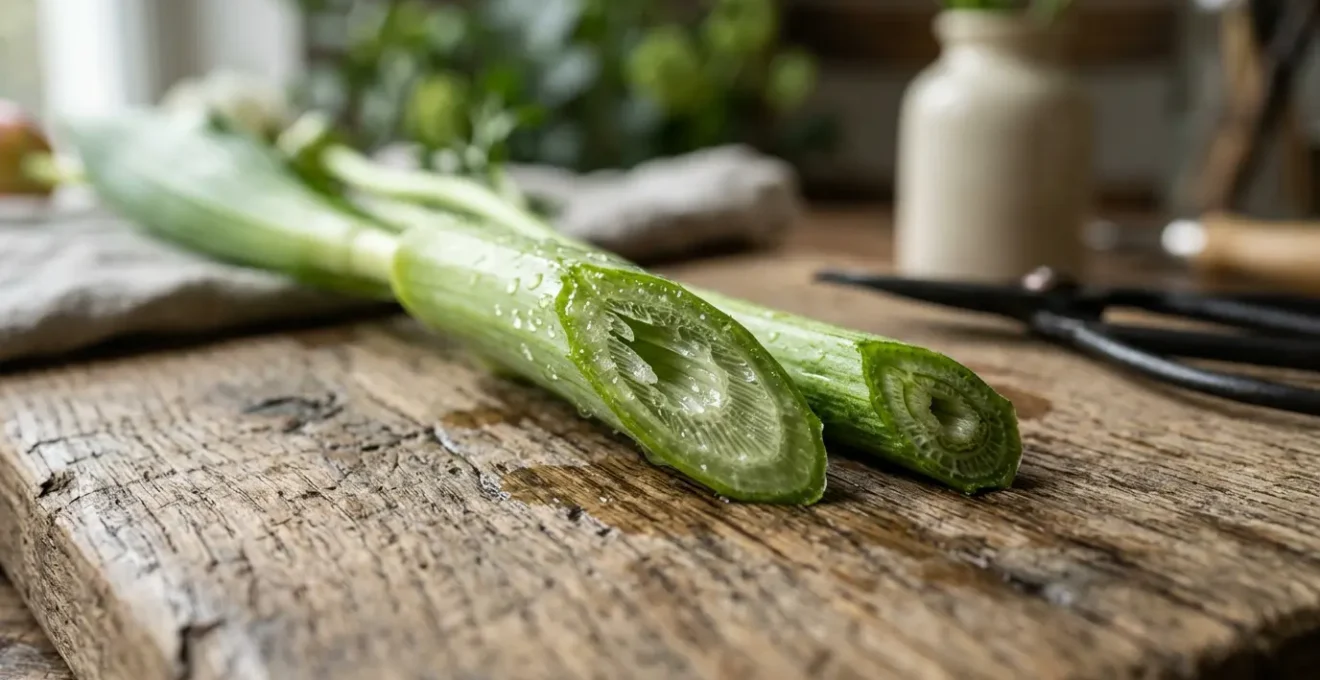
The frustrating droop of a cut tulip or anemone isn’t a random failure; it’s a symptom of a compromised vascular system. Instead of relying on folklore, this guide treats the flower as a living patient. By understanding the plant biology behind issues like airlocks (embolisms), bacterial blockages, and wound responses, a florist can move from simply following rules to making precise, science-backed interventions that diagnose the problem and dramatically prolong the life and beauty of delicate spring blooms.
For any florist, the sight is a familiar heartbreak: a perfect tulip or anemone, vibrant just hours ago, now hangs its head in defeat, its stem unable to support it. You followed all the rules—a fresh cut, clean water, maybe even a sachet of flower food. Yet, the delicate neck has failed. This common frustration often leads to a cycle of trying various anecdotal tricks, with inconsistent results. We are taught what to do, but rarely the fundamental science of why.
The conventional wisdom—cut stems, change water, use food—is not wrong, but it is incomplete. It treats the flower like an inanimate object to be preserved, not a living biological system reacting to the trauma of being cut. The key to truly prolonging the life of sensitive spring flowers lies not in a secret recipe, but in understanding their internal plumbing: the delicate vascular highways of xylem and phloem.
But what if the true solution was to stop guessing and start diagnosing? This guide reframes the problem through the lens of a plant biologist. We will move beyond the “what” and dive deep into the “why.” You will learn to identify the tell-tale signs of a vascular embolism versus a bacterial infection, understand the chemical warfare happening at the base of a Euphorbia stem, and see why the way you cut a stem is a critical surgical procedure. By the end of this article, you won’t just be a florist; you’ll be a flower medic, equipped with the knowledge to protect these fragile systems from collapse.
This article dissects the critical biological mechanisms that govern the life of a cut flower. The following sections will guide you through the science, from the foundational vascular tubes to specific challenges and their evidence-based solutions.
Summary: A Biologist’s Approach to Cut Flower Longevity
- Xylem and Phloem: Why Blunt Scissors Kill Flowers by Crushing Tubes?
- Milky Sap: How to Treat Euphorbia Stems to Stop Them Clogging Others?
- The Boiling Water Trick: Can You Shock Hydrangeas Back to Life?
- Geotropism: Why Do Gladioli Tips Bend Upwards When Laid Flat?
- Smashing vs Cutting: Why You Should Never Smash Lilac Stems anymore?
- Soft Head, Hard Stem: Is It an Airlock or Bacterial Blockage?
- The Inch-a-Day Rule: How Much Will Your Tulips Grow After Cutting?
- How to Prevent and Clear Airlocks in Cut Flower Stems?
Xylem and Phloem: Why Blunt Scissors Kill Flowers by Crushing Tubes?
At the heart of every flower’s survival is its vascular system, a network of microscopic tubes analogous to our own circulatory system. The two primary components are the xylem and the phloem. The phloem transports sugars produced during photosynthesis down from the leaves, but for a cut flower, the xylem is the star of the show. It is a one-way pipeline, a column of dead cells fused together to pull water from the vase all the way up to the petals.
This transport works on a principle of negative pressure, or tension. As water evaporates from the petals (transpiration), it creates a vacuum that pulls the entire column of water upwards. This continuous, unbroken column of water is essential. When you use blunt scissors or crush a stem, you are not just cutting it; you are pinching and damaging the delicate cellular structure of these tubes. This physical damage can collapse the openings, creating a permanent bottleneck that severely restricts water flow, no matter how much water is in the vase.
Furthermore, the act of cutting is a wound. The plant’s natural defence mechanism kicks in, and this is where the science gets critical. Recent research published in 2024 demonstrates that wound-induced xylem occlusion is a major factor in reducing vase life. The plant’s stress response can lead to the polymerization of phenolic compounds, essentially creating a biological seal over the wound. While this is a brilliant survival strategy for a plant in the ground, for a cut flower, it’s a death sentence, blocking the very vessels it needs for hydration.
Milky Sap: How to Treat Euphorbia Stems to Stop Them Clogging Others?
Not all stems are created equal. While most present a straightforward hydration challenge, a specific group of plants, most notably from the Euphorbia genus, presents a chemical warfare problem. When you cut a poinsettia, a branch of snow-on-the-mountain, or other related species, you are met with a thick, white, milky sap. This substance is latex, a complex emulsion that is a key part of the plant’s defense against herbivores.
This latex is highly effective at its job—so effective, in fact, that it can doom the very stem it’s meant to protect once cut. Upon exposure to air, the latex quickly coagulates, forming a sticky, waterproof plug over the cut end. This effectively seals off the xylem, preventing any water from entering the stem. The flower, though sitting in water, will quickly wilt and die of thirst. Worse yet, if you place these untreated stems in a mixed bouquet, the latex will leach into the water, potentially clogging the stems of other, non-latex-producing flowers.
The genus is vast; according to a comprehensive 2022 review, Euphorbia includes approximately 2,000 species containing this poisonous milky latex. The solution is a process called “searing” or “cauterizing.” This involves briefly exposing the cut end to extreme heat, either from a flame or boiling water. The heat instantly denatures the proteins in the latex, stopping it from flowing and preventing it from coagulating into a blockage. This one-time treatment is a non-negotiable step for ensuring the longevity of these beautiful but challenging flowers.
The Boiling Water Trick: Can You Shock Hydrangeas Back to Life?
The sight of a wilted hydrangea is particularly distressing because of its woody stem. It feels like a more permanent failure. However, this woody structure is precisely why a seemingly radical treatment—the boiling water trick—is so effective. This technique is not a myth; it’s applied plant physiology, specifically targeting a problem called an embolism, or airlock.
When a woody stem like a hydrangea is cut, air can easily be drawn into the xylem vessels. This creates a tiny air bubble that breaks the continuous column of water, stopping the flow of hydration dead in its tracks. The stem below the bubble might be in water, but the flower head above it is completely cut off from its supply. The boiling water trick works by forcing this trapped air out. The heat causes the air in the bubble to expand rapidly and be expelled from the stem, while simultaneously making the water less viscous, allowing it to rush in and re-establish the hydraulic column.
As demonstrated in the image, when the stem is submerged in boiling water for 30-60 seconds, you can often see tiny bubbles escaping from the cut end. This is the visual proof of the embolism being cleared. It’s crucial to protect the delicate flower head from the steam during this process. After the shock treatment, the stem should be placed back into cool, fresh water. Full rehydration and revival can take a few hours, but the results are often nothing short of miraculous, transforming a drooping, sorry-looking bloom back into a turgid, magnificent one.
Geotropism: Why Do Gladioli Tips Bend Upwards When Laid Flat?
Have you ever laid a gladiolus, snapdragon, or tulip flat on a workbench for a few hours, only to return and find its tip has mysteriously curved upwards? This isn’t a sign of wilting or a defect; it’s a powerful demonstration of a plant’s innate response to gravity, a phenomenon known as geotropism (or gravitropism).
This response is controlled by a plant hormone called auxin. In a stem, auxin is sensitive to gravity and tends to accumulate on the lower side of the stem when it’s placed horizontally. In stem tissue, a higher concentration of auxin stimulates cell elongation. This means the cells on the bottom side of the stem begin to grow faster and longer than the cells on the top side. This differential growth forces the stem to bend and curve upwards, away from the gravitational pull. This is called negative geotropism, as the shoot actively grows against gravity to orient itself towards a light source for photosynthesis.
This is a critical piece of biological information for any florist. Storing geotropically-sensitive flowers horizontally for extended periods will result in permanently curved stems that are difficult to use in arrangements. This is why these flowers are almost always stored and shipped upright. For tulips, this response is particularly pronounced and combines with their continued growth after cutting, leading to their famous “dancing” and repositioning within a vase over several days.
Smashing vs Cutting: Why You Should Never Smash Lilac Stems anymore?
For generations, a piece of floral “wisdom” has been passed down: for woody stems like lilacs or forsythia, you should smash the ends with a hammer to help them drink more water. This advice is not just outdated; it’s fundamentally destructive and based on a complete misunderstanding of plant anatomy. It is the single fastest way to shorten the vase life of a woody stem.
The logic seemed plausible: smashing creates more surface area. However, it fails to consider what that “surface area” is made of. As we’ve established, flowers drink through the highly organized, tube-like structures of the xylem. Smashing the stem obliterates this delicate plumbing. It crushes the vessels, creates a mangled mess of cellular debris that clogs any remaining pathways, and introduces a massive surface area for bacteria to colonize. You are essentially turning the primary hydration point into a contaminated, blocked wound.
The vascular tissues that take in water will be damaged if the stems are crushed.
– Greg Hale, Taste of Home
The correct method is the exact opposite of this violent act. A clean, sharp cut with pruning shears at a 45-degree angle is the only acceptable method. The angled cut exposes the maximum number of intact xylem vessels to water without crushing them. For particularly dense woody stems, you can make a second vertical cut, splitting the stem upwards for about an inch. This also increases the surface area for water uptake without destroying the vascular integrity. The era of the hammer in the flower studio is over.
Soft Head, Hard Stem: Is It an Airlock or Bacterial Blockage?
A wilting flower is a symptom, not a diagnosis. To effectively treat the problem, you must first identify the cause. In the world of cut flowers, the two most common culprits of wilting despite being in water are a physical airlock (embolism) and a biological blockage from bacteria. Differentiating between the two is the most critical diagnostic skill a florist can possess, as the treatments are entirely different.
An airlock, as discussed with hydrangeas, is a bubble of air trapped in the xylem, physically obstructing the flow of water. This often happens high up in the stem, near the flower’s neck. The classic symptom is a soft, drooping flower head while the lower part of the stem remains firm and turgid. The water in the vase will typically be clear. This is a plumbing problem.
A bacterial blockage is a more systemic issue. Microbes naturally present on stems and in the air multiply rapidly in vase water, creating a slimy biofilm. This sludge clogs the xylem from the bottom up. The symptoms are more generalized: the entire flower, stem and all, will appear to be wilting. The base of the stem may feel slimy to the touch, and the vase water will often be cloudy and may have a foul odor. This is an infection problem. The following table provides a clear diagnostic comparison.
This diagnostic table, based on information from scientific analysis of vascular obstruction, can help you quickly determine the cause of wilting.
| Symptom | Airlock (Embolism) | Bacterial Blockage |
|---|---|---|
| Primary symptom | Soft flower head with firm stem | Generalized wilting of entire flower |
| Blockage location | High in stem, near flower neck | Lower stem, more systemic |
| Stem texture | Hard, firm to touch | Slimy, soft at base |
| Water condition | Clear water | Cloudy, foul-smelling water |
| Cause | Air bubble breaking water column | Microbial growth in vessels |
| Primary treatment | Re-cut stem under water | Replace water, sanitize vase, fresh cut |
| Secondary treatment | Hot water trick (30-60 seconds) | Add biocide from flower food |
The Inch-a-Day Rule: How Much Will Your Tulips Grow After Cutting?
Tulips are unique and often perplexing in a vase. They don’t just sit there; they live, they move, and they grow. A common observation among florists is that tulips can continue to elongate significantly even after being cut, sometimes growing an inch or more. This isn’t an illusion; it’s a specific biological process that sets them apart from many other cut flowers.
This post-harvest growth is primarily due to cellular elongation, not cell division. The cells for this growth are already present in the stem at the time of cutting, particularly in the internode regions (the sections of stem between leaves). Even when separated from the bulb, these cells remain responsive to hormones and continue to take in water, expanding and stretching the stem. As experienced florists observe, cut tulip stems can grow approximately 1 inch per day under ideal conditions.
This continued growth, combined with their strong phototropic (light-seeking) and geotropic (gravity-responding) tendencies, is what gives tulips their famous “dance” in an arrangement. They will bend towards a window, curve away from gravity if arranged horizontally, and actively lengthen, creating a dynamic, ever-changing composition. While some florists see this as a challenge to control, understanding the biology allows you to embrace it as a unique characteristic. To slightly inhibit this growth, keep tulips in a cooler location and use a minimal amount of water in the vase. For those who wish to stop the growth, a pin through the stem just below the flower head is an old trick said to disrupt the hormonal pathway, though its scientific efficacy is debated.
Key takeaways
- Drooping flowers are usually caused by a blockage in the stem’s vascular system (xylem), which can be a physical airlock (embolism) or a biological clog (bacteria).
- Always use sharp tools to make a clean, angled cut; blunt tools crush the xylem vessels, permanently damaging the flower’s ability to drink. Smashing woody stems is destructive.
- Different flowers require specific treatments: woody stems like hydrangeas may need a hot water shock to clear airlocks, while latex-producing flowers like euphorbia must be seared to prevent the sap from clogging the stem.
How to Prevent and Clear Airlocks in Cut Flower Stems?
Now that we have diagnosed the various ailments that can befall a cut flower’s vascular system, we can focus on the most common and preventable issue: the airlock, or embolism. As research on cut stems has repeatedly confirmed, air emboli in the vascular system represent a primary cause of reduced water uptake and premature wilting. The moment a stem is cut in the open air, the tension in the xylem column can suck a tiny bubble of air into the vessels. Prevention is, by far, the most effective strategy.
The foundational principle of airlock prevention is simple: never expose a freshly cut stem end to the air for more than a few seconds. The most reliable method is to perform all cuts underwater. This ensures that when the xylem’s suction pulls, it pulls in water, not air, immediately re-establishing a continuous hydraulic column. This applies both during harvesting in the garden and during processing and arranging in the studio. If cutting underwater is not feasible, the next best thing is to have a bucket of water immediately at hand and plunge the stem into it within seconds of cutting.
Even with the best preventative measures, airlocks can sometimes still occur. Clearing them requires a more active approach, centered on re-cutting the stem to remove the portion containing the air bubble. Again, this re-cut must be done underwater to be effective. By removing an inch or two from the bottom of the stem while it’s submerged, you remove the blockage and allow the water column to reform without introducing a new air bubble. This simple, science-backed protocol is the cornerstone of professional flower conditioning.
Your Action Plan: Airlock Prevention and Treatment Protocol
- Bring a container filled with water directly to your cutting location to minimize air exposure time.
- Immediately after the initial cut, plunge the stem into the water within seconds.
- When arranging, perform all final stem cuts with the stem end held underwater in a separate bowl or basin.
- Always cut stems at a sharp 45-degree angle to maximize the surface area of intact xylem vessels.
- If an airlock is suspected (soft head, firm stem), remove the stem, submerge the base in clean water, and re-cut 1-2 inches from the bottom.
By shifting your perspective from merely “giving flowers water” to actively “managing floral vascular hydraulics,” you arm yourself with the diagnostic tools to combat drooping, extend vase life, and ensure your beautiful work is enjoyed to its fullest biological potential. Start applying this diagnostic mindset to every stem you handle.