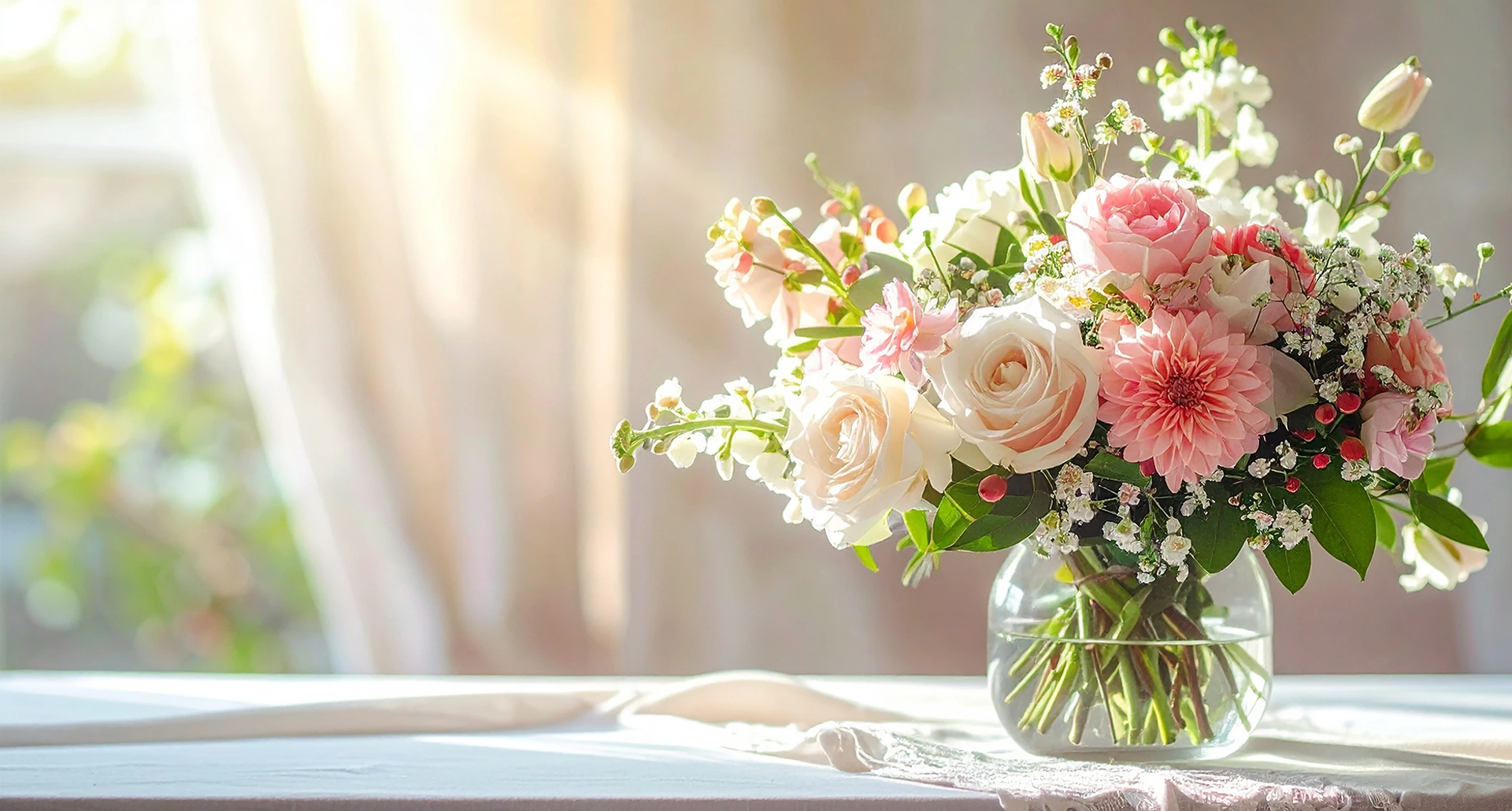
The art of bespoke botanical composition and interior design
Creating living sculptures for weddings requires more than vibrant palettes; it involves mastering spatial balance, textures, and the natural growth patterns of every stem chosen.
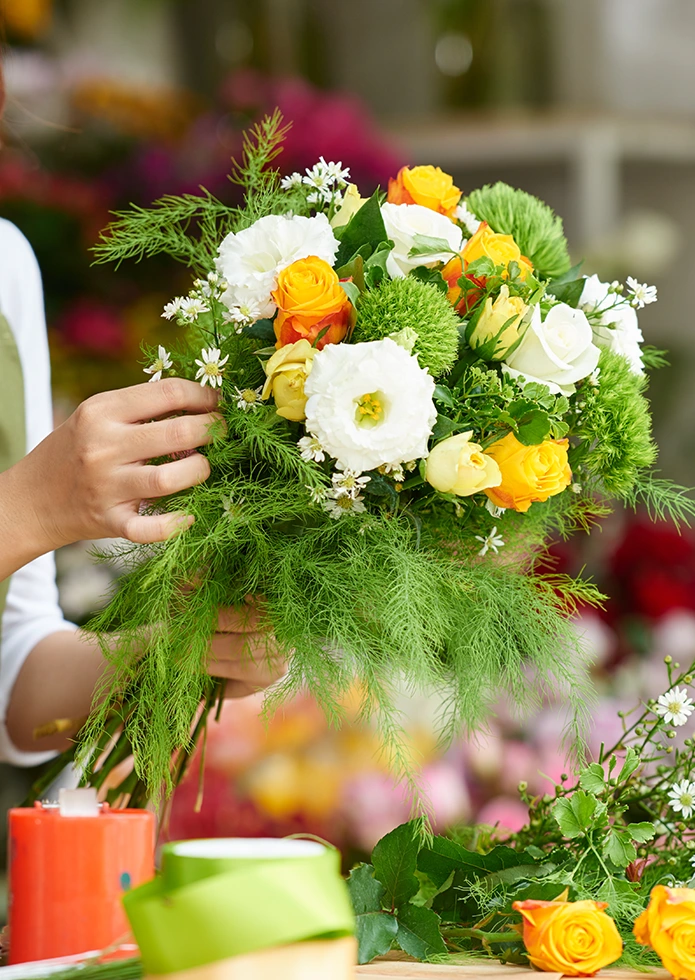
From precision cut to floral structure

Essential tools for professional structuring and mechanics
A florist knife ensures clean cuts for hydration, while green tape and gauge wire provide invisible mechanics to support heavy heads or shape pliable stems. Working with proper tension prevents damage to delicate vascular systems.
Proper conditioning begins immediately upon harvest. Submerging stems in preservative solutions at the correct temperature prevents airlocks and extends the vase life of delicate cultivars significantly. Hardening allows the plant tissues to stabilize before arranging.
Mechanics define arrangement longevity. Using agra-wool or sustainable chicken wire instead of toxic foam allows optimal water circulation and reduces environmental impact, offering structural integrity for gravity-defying wedding installations. Stability ensures the design holds its shape during delivery.
Exploring distinctive botanical stylistic approaches
Western geometric principles
Symmetrical triangles and rounds dominate this traditional style, emphasizing mass and bold palettes over individual lines.
Eastern Ikebana minimalism
Asian principles focus on negative space, asymmetry, and the symbolic relationship between man, earth, and heaven.
Natural vegetative design
This naturalistic approach mimics how plants grow in the wild, grouping native varieties as found in nature.
Abstract botanical sculpting
Plant materials become raw artistic elements, manipulated into avant-garde shapes to create texture and modern visual tension.
Formal linear architecture
Clean lines and distinct forms take precedence, utilizing few premium exotic stems to create a strong architectural statement.
Biedermeier compact styling
Concentric circles of different flowers create a structured, dense dome that highlights chromatic gradation and texture contrast.
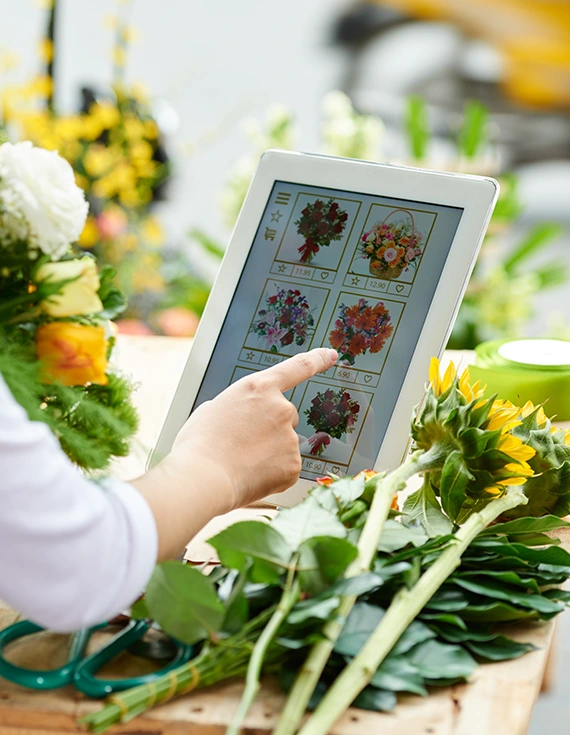
Local seasonal availability guides selection
Visual texture creates depth
Organic flow and movement
Creating harmonious hand-tied bouquets
Integrating botanicals into home decor
Placing centerpieces requires analyzing light and scale. A tall foyer design welcomes guests, while low tablescapes encourage conversation without obstructing the line of sight. Proper palette selection complements the existing modern decor.
Designing for weddings and sentiment
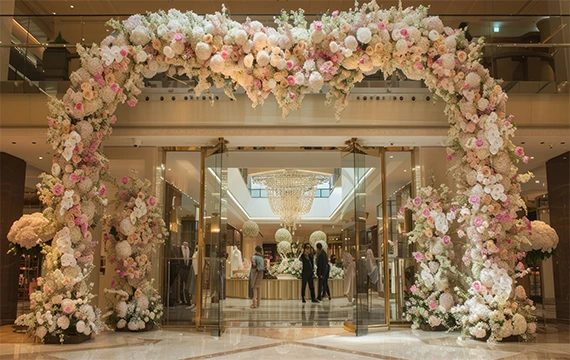
Bridal ceremonial installations
Floral arches and suspended clouds transform wedding venues into immersive garden experiences. Mechanics must be robust enough to hold water sources without leaking on guests or wilting. These structures frame nuptial moments beautifully.
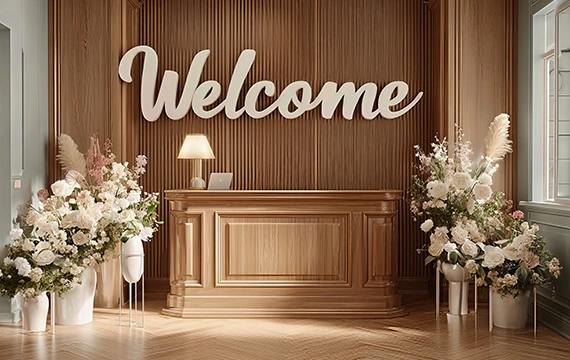
Corporate event ambiance
Reception arrangements communicate brand identity through chromatic theory. Weekly rotations ensure a fresh aesthetic that enhances the professional atmosphere and boosts morale through biophilic office design. Durability is key for high-traffic environments.
Practices for sustainable eco-floristry
Reducing carbon footprints involves sourcing regionally grown blooms to minimize emissions and eliminating floral foam. Composting green waste returns nutrients, while preserving fading blooms extends utility through winter, creating a closed-loop eco-friendly cycle. Responsible sourcing supports ethical growers.