Care & Sustainability
Every stem that arrives at your workspace carries a biological clock. From the moment it’s cut, a race begins between cellular deterioration and your skill in slowing that decline. But modern flower care extends far beyond keeping blooms alive for a few extra days. It encompasses understanding plant physiology at a cellular level, mastering water chemistry, preventing disease transmission, and making choices that respect both people and planet.
The floristry industry stands at a crossroads. Traditional practices—floral foam, chemical preservatives, long-haul imports, and disposable materials—are being challenged by a growing awareness of environmental impact and worker welfare. Meanwhile, scientific research has debunked old myths while validating techniques once dismissed as folklore. This intersection of botanical science, sustainable practice, and ethical responsibility defines contemporary flower care.
Whether you’re a professional florist guaranteeing week-long vase life for clients, a hobbyist wanting to understand why your tulips droop, or someone curious about the hidden costs behind a supermarket bouquet, this comprehensive overview connects the dots between stem structure and supplier ethics, between bacteria and biodegradability, between beauty and responsibility.
The Science Behind Flower Longevity
Understanding how flowers drink, breathe, and age transforms care from guesswork into informed practice. Every flower is a complex hydraulic system, and knowing what happens inside the stem explains why certain techniques work while others fail spectacularly.
Vascular Systems: Xylem and Phloem Explained
Like our own circulatory system, flowers have specialized tubes for transport. Xylem vessels pull water upward through capillary action and transpiration, while phloem moves nutrients throughout the plant. When you use blunt scissors, you crush these delicate tubes instead of making a clean cut, immediately compromising water uptake. The difference between a flower lasting three days versus seven often comes down to whether these microscopic highways remain open or get crushed, blocked, or colonized by bacteria.
The Air Embolism Question
The widely-repeated advice to cut stems underwater supposedly prevents air bubbles from blocking xylem vessels. While air embolism can occur, research shows it’s rarely the primary cause of premature wilting in most cut flowers. Bacterial blockage and stem-end sealing prove far more problematic. That said, cutting underwater does no harm and ensures stems never dry out between cutting and water, making it worthwhile for high-value or particularly sensitive blooms.
How Plants Respond to Gravity and Light
Place gladioli horizontally and their tips will bend upward within hours. This phenomenon, called geotropism, occurs because plant cells sense gravity and redistribute growth hormones accordingly. For florists, this explains why certain flowers must be transported and stored vertically, and why apparently “dead” stems sometimes revive with surprising vigor when repositioned. Understanding these biological responses helps you work with the flower’s nature rather than fighting it.
Water Quality, Chemistry, and Nutrition
Water isn’t just hydration—it’s the delivery system for energy and the medium where most flower problems begin. The chemistry of that water determines whether your flowers thrive or decline, making water management perhaps the single most impactful aspect of flower care.
Why Flowers Need Both Sugar and Acid
Cut flowers can no longer photosynthesize effectively, yet they still require energy for cellular processes. Sugar provides that fuel, explaining why commercial flower food contains glucose or sucrose. However, sugar alone creates problems: it feeds bacteria that multiply rapidly in warm water, forming slime that blocks stems. This is where acid comes in. Citric acid lowers pH to around 3.5-4.5, a range where flowers absorb water efficiently but bacteria struggle to thrive. This dual action—feeding the flower while starving microbes—explains why both components are essential.
The 1% Rule and Overdosing Risks
More flower food doesn’t mean better results. Exceeding recommended concentrations can cause leaf burn through osmotic stress, where the solution outside the plant becomes more concentrated than the fluids inside, actually pulling moisture out rather than in. Professional preservatives are formulated to precise ratios, typically around 1% total dissolved solids. This principle applies to homemade solutions too: a few drops of bleach disinfects, but too much damages delicate petal tissues.
Do Different Flowers Need Different Food?
Woody-stemmed flowers like roses have different vascular structures and lignin content compared to soft-stemmed tulips. While specialized formulas exist, research shows most flowers respond well to standard flower food. The exceptions are flowers producing milky sap (euphorbia, poppies) or those particularly sensitive to ethylene (orchids, delphinium), which may benefit from targeted treatments rather than different nutrition.
Hygiene, Disease Prevention, and Bacterial Control
Invisible to the naked eye but devastating in impact, bacteria are the silent killers of cut flowers. Within 24 hours, a single contaminated bucket can harbor millions of microorganisms, turning water into a thick bacterial soup that blocks stems faster than any air bubble.
Why Clean Tools Matter
Botrytis, the grey mould fungus, spreads rapidly via contaminated tools. A knife used on an infected stem carries spores directly to the next flower, potentially contaminating an entire batch. Professional florists disinfect cutting tools between varieties, using either alcohol wipes or quaternary ammonium solutions. This practice, once considered excessive, is now recognized as essential disease prevention, particularly during humid conditions when botrytis thrives.
Below the Waterline: Foliage Removal
Leaves submerged in water decompose rapidly, releasing organic matter that feeds bacterial growth exponentially. Removing all foliage below the waterline isn’t merely aesthetic—it’s a fundamental hygiene practice that can double vase life. The difference in bacterial counts between clean stems and those with submerged leaves is staggering, often showing 100-fold increases within 48 hours.
Bleach vs. Quaternary Ammonium
Both kill bacteria, but differently. Household bleach (sodium hypochlorite) provides immediate disinfection at very low concentrations—typically 2-3 drops per liter—but breaks down quickly when exposed to light and organic matter. Quaternary ammonium compounds offer longer-lasting protection and are commonly found in professional bucket treatments. For home use, fresh bleach added to clean water at the correct dilution provides effective, economical bacterial control without harming most flowers.
Temperature Control and the Cool Chain
Temperature is the invisible hand that either preserves or destroys flower quality. Every degree above optimal storage conditions accelerates aging, while proper cooling can add days to potential vase life before flowers even reach the customer.
The 5°C Standard and Why It Works
Keeping flowers at 5°C (41°F) slows respiration and ethylene production dramatically. At this temperature, most cut flowers enter a kind of suspended animation—cellular processes continue but at a fraction of room-temperature rates. This principle, known as the cool chain, explains why professionally-stored flowers outlast those kept at ambient temperature by three days or more. Breaking this chain even briefly—during transport or display—diminishes those benefits rapidly.
Exceptions: When Cold Damages
Not all flowers tolerate refrigeration. Tropical species like orchids, anthuriums, and heliconia suffer chilling injury below 10°C, developing water-soaked spots and rapid deterioration. These flowers require warmer storage and explain why florists maintain separate cooling zones. Understanding your flowers’ geographical origins provides reliable guidance: temperate-climate flowers generally tolerate cold; tropical species do not.
Warm Water for Faster Uptake?
The physics is sound—warm water has lower viscosity and moves more easily up stems. In practice, flowers placed in lukewarm water (around 35°C/95°F) initially drink faster, useful for reviving wilted stems. However, warm water also encourages bacterial growth, so this technique works best as a short-term revival method followed by transfer to cool, treated water for longer-term storage.
Species-Specific Techniques and Problem-Solving
While fundamental principles apply across most flowers, certain species demand specialized knowledge. These techniques, developed through generations of professional practice and validated by research, address unique botanical challenges.
Managing Sap and Latex
Flowers like euphorbias and poppies exude milky sap that coagulates in water, potentially clogging the stems of companion flowers. The traditional solution—searing cut ends with flame or briefly dipping in boiling water—works by cauterizing the wound, sealing latex inside while leaving xylem vessels functional. This technique requires precision: 10-15 seconds in boiling water or until sap flow stops, followed immediately by plunging into deep, cool water.
The Narcissus-Tulip Problem
Daffodils and narcissus release compounds toxic to other flowers, particularly tulips. The solution involves conditioning narcissus separately for 12-24 hours, allowing them to release their sap, then rinsing thoroughly before combining with other flowers. This simple step prevents the heartbreak of watching an entire mixed arrangement fail prematurely.
Opening Tight Buds
Roses too tight for an event or lilies still green can be encouraged to open using a combination of warm water, light, and gentle manipulation. Blowing gently into rose centers (“the blow”) increases humidity and temperature inside the bud, triggering opening mechanisms. Lily buds showing color will open in warm conditions, though forcing completely green buds rarely succeeds and often results in poor color development.
Why Carnations Last Three Weeks
Carnations possess naturally low ethylene sensitivity, thick cuticles that reduce water loss, and sturdy vascular systems resistant to bacterial blockage. These characteristics make them the longest-lasting common cut flower, often outliving roses, tulips, and lilies by two weeks or more. Understanding these inherent differences helps set realistic expectations and choose appropriate flowers when longevity matters most.
Safety, Toxicity, and Hazards
Beauty carries risks. From toxic pollen to fire hazards, responsible flower work requires awareness of dangers that extend beyond the blooms themselves to affect people, pets, and spaces.
Lily Pollen and Cat Toxicity
All parts of true lilies (Lilium species) are lethally toxic to cats, causing rapid kidney failure even from tiny exposures like pollen brushed off fur during grooming. This isn’t allergy—it’s acute poisoning. Professional florists never send lilies to clients with cats and remove anthers (stamen surgery) before displaying lilies in public spaces, both to prevent staining and reduce toxicity risk.
Ethylene: The Invisible Flower Killer
Ripening fruit, vehicle exhaust, and even damaged plant tissue release ethylene gas, which triggers rapid aging in sensitive flowers like carnations, orchids, and delphiniums. Symptoms include petal wilting, color fading, and flower drop within hours of exposure. Keeping flowers away from fruit bowls, loading areas, and damaged stock prevents this often-misdiagnosed problem.
Candles, Ladders, and Event Safety
Tall arrangements require ladder maintenance that poses falling risks, particularly when changing water in elevated vessels. Flowers near candles must maintain safe distances—typically 30cm minimum—as dried foliage ignites readily. Water-stained tablecloths, slippery floors from spills, and heavy urns create liability concerns for professional florists, making safety protocols as important as design skills.
Sustainable Materials and Environmental Practice
The environmental cost of floristry, long ignored, now faces scrutiny. From toxic foam to single-use plastics, traditional materials are being challenged by alternatives that range from genuinely sustainable to cynical greenwashing.
The Floral Foam Problem
Floral foam, particularly phenolic types, contains formaldehyde-based resins and breaks into microplastics that persist in ecosystems indefinitely. Dry foam dust poses respiratory risks, and despite industry claims, it doesn’t biodegrade in any meaningful timeframe. Regulations are tightening, with some regions restricting or banning its use entirely. This reckoning is pushing florists toward alternatives: chicken wire, pin frogs, crumpled wire mesh, and truly innovative bio-based foams still in development.
Bio-Foam: Real Solution or False Promise?
Products marketed as “bio-foam” or “biodegradable foam” often break down faster than traditional foam but still leave residue and require industrial composting conditions rarely available to consumers. True sustainability requires understanding the difference between “biodegradable” (breaks down eventually, somewhere), “compostable” (breaks down in home compost), and “bio-based” (made from plants but might not break down at all). Reading beyond marketing claims to actual certifications and disposal requirements separates genuine alternatives from greenwashing.
Foraging, Wild Materials, and the 10% Rule
Gathering materials from nature offers sustainability benefits but carries responsibilities. The 10% foraging rule—take no more than one-tenth of any wild population—ensures regeneration. Legal frameworks like the Wildlife and Countryside Act specify protected species and private property rights. Sustainable foraging means knowing what you’re picking, ensuring abundance, and respecting ecosystems that support far more than your aesthetic needs.
Water Recycling and Resource Conservation
Florists use substantial water volumes. Simple practices—recycling bucket water for gardens, using collected rainwater for initial processing, and choosing water-wise arrangements—reduce consumption meaningfully. Compact designs lose less water to transpiration than loose, airy styles, making sustainability and longevity complementary goals when understood properly.
Ethical Sourcing, Fair Trade, and Industry Accountability
That supermarket bouquet’s journey likely involved workers earning poverty wages, pesticide exposure without protection, and carbon emissions from transcontinental air freight. Ethical sourcing asks uncomfortable questions about who pays the real cost of cheap flowers.
Air Miles and the Ecuador Question
Ecuadorian roses arrive in European and North American markets via air freight, generating substantial carbon emissions. Yet, those same farms often operate in near-ideal growing conditions requiring minimal heating or artificial light, unlike energy-intensive European hothouses. The ethics aren’t simple: imported flowers might have lower total environmental impact than locally-grown equivalents requiring massive energy inputs. This complexity makes blanket rules unhelpful, while transparency about production methods remains frustratingly rare.
What Fair Trade Actually Guarantees
Fairtrade certification ensures workers receive minimum wages, safe conditions, and community investment from premium payments. It doesn’t guarantee organic growing, pesticide-free production, or local sourcing—those are separate certifications. Understanding what each label actually promises prevents assumption and disappointment while supporting genuinely better practices where they exist.
Why Organic Certification Is Rare
Flower farms face enormous challenges obtaining organic certification. Unlike food crops, ornamental flowers receive less regulatory attention, certification costs are high relative to price premiums consumers will pay, and pest/disease pressure in monoculture cut-flower production makes organic methods commercially difficult. The result: very few certified organic cut flowers reach market, even from farms using reduced-spray or integrated pest management approaches that would be considered quite sustainable.
Cellophane Alternatives and Packaging Evolution
Single-use plastic wrapping faces increasing restriction. Alternatives include paper-based wraps, reusable fabric furoshiki-style wrapping, and compostable cellulose films. Each carries tradeoffs: paper offers less protection, fabric requires return systems, and “compostable” films often need industrial facilities. The most sustainable option frequently involves no wrapping at all—direct handover or reusable containers the customer returns.
Professional Practice: Guarantees, Troubleshooting, and Client Management
The difference between hobbyist and professional often comes down to accountability. When a client says “the flowers died by Wednesday,” you need diagnostic skills and solutions, not excuses.
Guaranteeing 7-Day Vase Life
Achieving consistent week-long vase life requires controlling every variable: buying from suppliers with solid cool chains, processing flowers immediately upon arrival, using proper flower food ratios, providing clear care instructions, and choosing naturally long-lasting species for high-stakes situations. It also means knowing when to refuse: if flowers arrive in poor condition, no amount of skill will salvage them, and accepting the job guarantees failure and reputational damage.
Diagnosing Premature Failure
When flowers fail early, systematic diagnosis identifies causes: soft heads with hard stems suggest bacterial blockage or air embolism; entire arrangements wilting uniformly points to water source depletion or contamination; selective failure indicates species-specific issues like ethylene exposure or incompatible companions. Each pattern demands different solutions, and professional expertise means recognizing these signatures rather than blaming mysterious bad luck.
The Monday-Friday Challenge
Office arrangements must survive five business days minimum, often unattended over weekends. This demands choosing carnations, alstroemeria, and chrysanthemums over tulips and sweet peas, using larger water reservoirs, and educating facilities staff about basic topping-up protocols. Matching flower choice to the actual care situation, rather than designing for ideal conditions, separates reliable professionals from artists who create beautiful but impractical work.
Venue Challenges: No Sink, No Refrigeration
Dry hire venues offer no prep areas, requiring complete preparation off-site and transportation of fully-arranged flowers. This demands mechanical stability (arrangements that survive transit), choosing hardy materials, and often using water-retaining techniques like sealed containers or, ironically, foam blocks for situations where the alternatives prove impractical. Real-world sustainability sometimes means choosing the least-bad option rather than the theoretical ideal.
Mastering flower care and sustainability isn’t about perfection—it’s about informed choices, continuous learning, and honestly balancing competing priorities of beauty, longevity, environmental impact, and economic reality. Every technique explored here connects to deeper questions: How do plants actually work? What hidden costs do our choices carry? How can we create beauty that respects both people and planet? The answers evolve as research progresses and social values shift, making this an endlessly fascinating field where art, science, and ethics intertwine with every stem you cut.
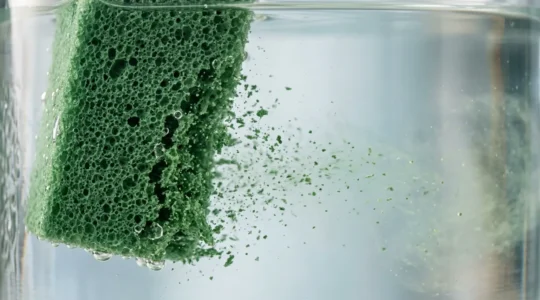
Why Is Floral Foam Toxic and What Are the UK Regulations?
Contrary to its harmless appearance, green floral foam is a persistent microplastic pollutant with documented health risks, and its use is coming under increasing regulatory scrutiny in the UK. Floral foam breaks down into toxic microplastics that contaminate waterways and…
Read more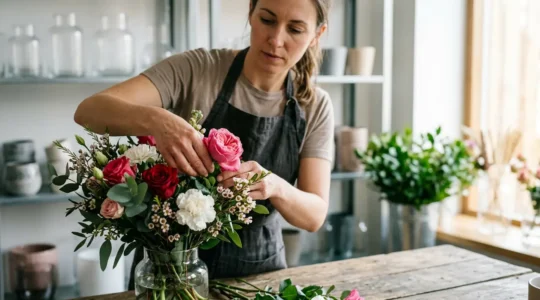
How to Guarantee 7-Day Vase Life for Your Floral Customers?
Tired of complaints about flowers dying in 3 days? The solution isn’t just fresher stock; it’s a scientific system that empowers you to control longevity and educate customers. Vase life is determined by genetics, post-harvest conditioning, and the customer’s home…
Read more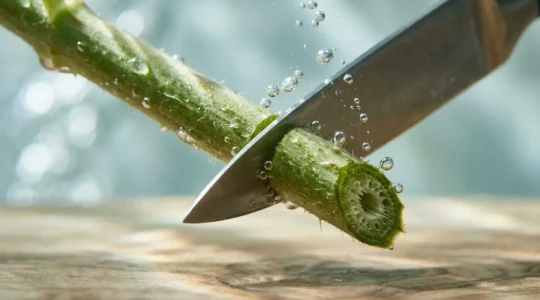
How to Prevent and Clear Airlocks in Cut Flower Stems?
The primary cause of wilting in cut flowers is not a simple “airlock,” but a progressive hydraulic failure caused by physical and biological occlusions within the stem’s vascular system. The dominant force for water uptake is transpirational pull, a negative…
Read more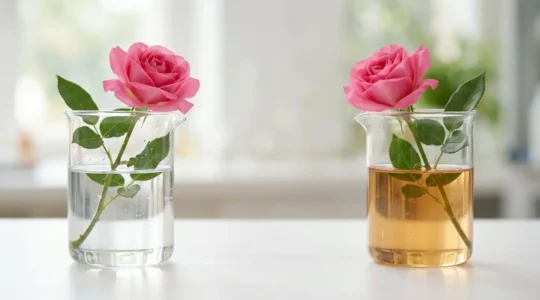
Homemade vs Commercial Preservative Solutions: Which Actually Works?
Homemade flower food isn’t magic, it’s chemistry—and most DIY recipes fail because of incorrect dosage, not bad ingredients. Sugar feeds flowers but also fuels bacteria that clog stems; it requires a biocide (like bleach) and an acidifier (like citric acid)…
Read more
The Ultimate Guide to Proper Conditioning for UK Florists
That 20% stock loss you’re seeing isn’t a cost of doing business; it’s a preventable profit leak that can be sealed with scientific precision. Effective sanitation isn’t just about cleanliness; it’s about choosing the right chemical agent for your operational…
Read more
How to Protect Delicate Vascular Systems of Spring Flowers?
The frustrating droop of a cut tulip or anemone isn’t a random failure; it’s a symptom of a compromised vascular system. Instead of relying on folklore, this guide treats the flower as a living patient. By understanding the plant biology…
Read more